
The Epidemiology of Post-Traumatic Stress Disorder and Alcohol Use Disorder
Complex PTSD is a condition that can develop in a person who has experienced prolonged or recurring traumatic events from which they often feel they what is alcoholism are unable or nearly unable to escape. All of the diagnostic criteria for post-traumatic stress disorder (PTSD) are present along with additional symptoms. Individuals who develop PTSD often experience flashbacks, nightmares, hypervigilance, and emotional numbness.

What is the relationship between PTSD and substance use disorder (SUD)?

AUD and PTSD have shown a consistent comorbidity over many decades and in diverse populations. The strong relationship is present in https://marmas.org.tr/celebrities-who-died-from-overdoses-amy-winehouse/ representative surveys of the United States, throughout Europe, and in Australia. The relationship persists in studies of population subgroups at risk, such as veterans of the wars in Vietnam, Iraq, and Afghanistan; firefighters; women; and people with SUD. Although men have a higher prevalence of AUD than women, and women have a higher prevalence of PTSD than men, any individual with either disorder is more likely to have the other.
Before Your Deductible Resets, Invest in Your Recovery
Individuals with PTSD often withdraw from social interactions due to feelings of fear, mistrust, or shame related to their traumatic experiences. ● Alcohol use is often viewed by military combat veterans as an effective and socially acceptable way to cope with PTSD symptoms and related distress. Certain medications can reduce the pleasure of alcohol or drugs, reduce cravings, and also help withdrawal symptoms. There are 2 ways to get concurrent treatment for alcohol or substance use and PTSD. Some people choose to do 2 different therapies—one for PTSD and one for substance use—at the same time, usually by different therapists.
- They can provide personalized guidance, therapeutic interventions, and a roadmap to recovery tailored to your unique journey.
- Integrative psychosocial interventions combining efficacious interventions from the alcohol and PTSD fields have shown promise.
- The heightened rate of childhood stressors in PTSD/AUD samples holds across diverse groups.
- Addressing both disorders, either by pharmacological interventions, behavioral interventions or their combination, is encouraged and likely to yield the most effective outcomes for patients with comorbid AUD/PTSD.
Integrated PTSD and SUD treatment
Studies of COPE with Veterans and civilians have shown this integrated treatment improves PTSD symptoms. Research suggests that for most people who have both PTSD and problems with alcohol or drug use, PTSD develops first. They might use drugs or alcohol to help them relax, feel more comfortable in social settings, or deal with thoughts and feelings they would rather avoid. The cycle of PTSD symptoms and alcohol consumption can be particularly insidious.
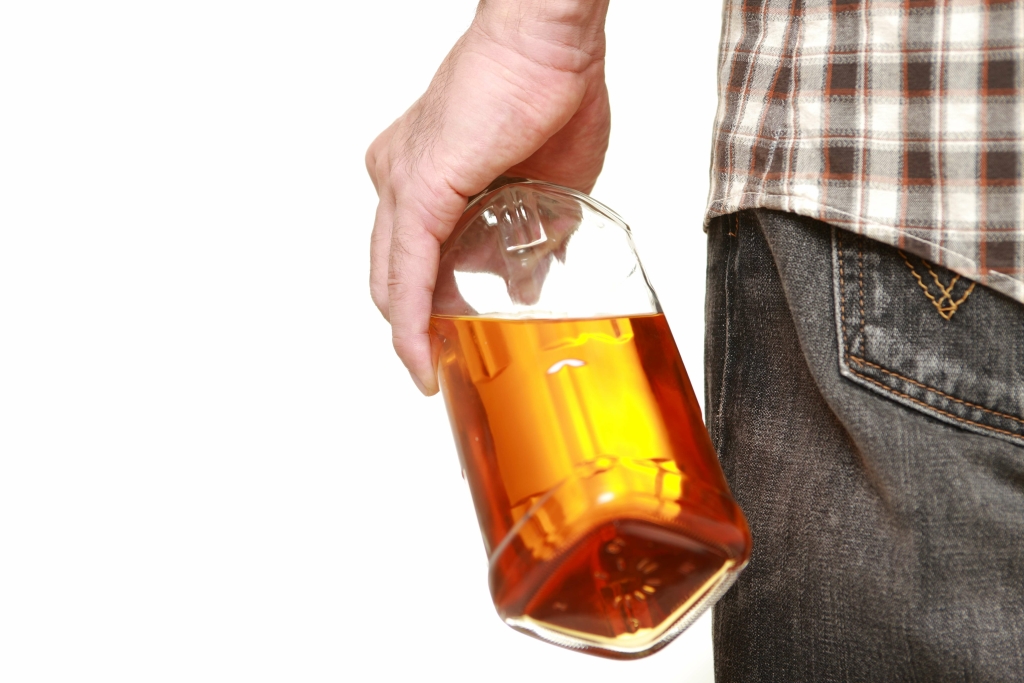
- Individuals with CPTSD may use substances like alcohol or drugs to cope with their emotional distress and psychological symptoms resulting from prolonged trauma exposure.
- Over time, the body and mind can become dependent on alcohol, requiring larger quantities to feel the same relief.
- Difficulties result in notable impairment in everyday functioning in areas such as work, school, or family and social life.
- This relationship between trauma and substance abuse is not merely coincidental but often deeply intertwined, with each condition potentially exacerbating the other.
Follow us on social media
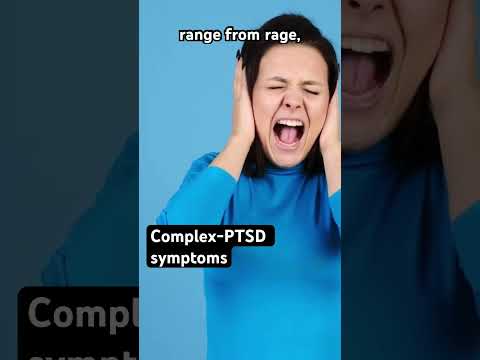
Someone suffering from PTSD might keep their drug and alcohol abuse from others because they feel ashamed. If a loved one seems to be increasingly depressed and withdrawn while exhibiting signs of intoxication, they might ptsd and alcohol abuse be struggling with a drug abuse problem. Getting a proper dual diagnosis is crucial to treating both conditions and getting sober. Therapy can play an important role in helping individuals with Complex PTSD regain control of their lives.